
Fun Palaces producer Rachel on why coming together for the Fun Palaces Weekend in October matters.
People sometimes ask: if we are already creative, sharing skills and doing things together, why do we need to create a Fun Palace?
The answer is that although culture is happening everywhere, it is often hidden behind closed doors: in kitchens and gardens, cafés and community rooms, on streets and in conversations. It is so much a part of our everyday lives that we often forget how wonderful and valuable it is to share recipes, sing together, tend gardens, swap stories or pass on practical knowledge. This is all part of our everyday culture.
A Fun Palace gives us a reason to notice. It invites us to look again at our neighbourhoods and recognise the knowledge, humour, skills, memories, passions and care that already exist in every place. It allows things that may usually happen privately to become visible and shared.
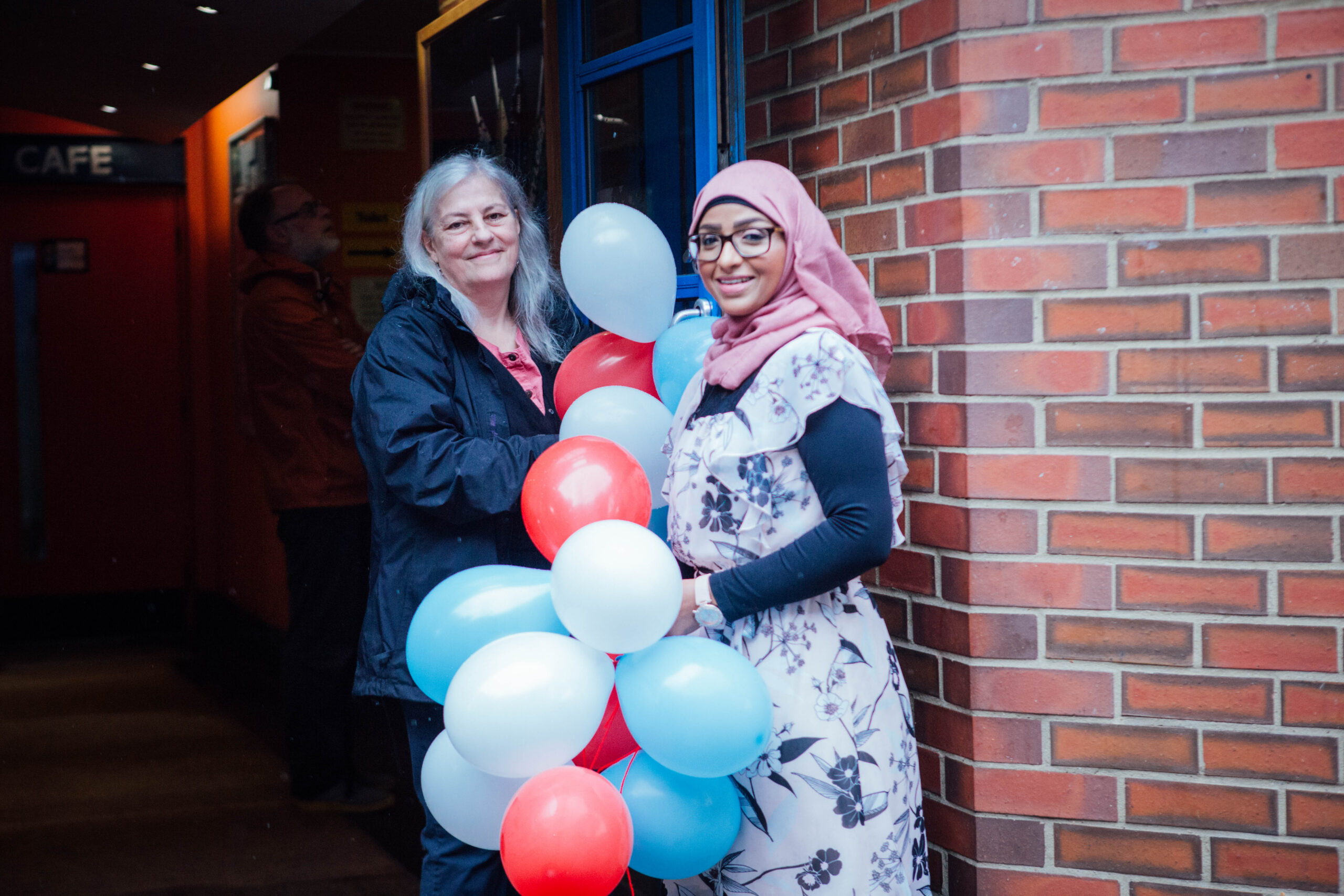
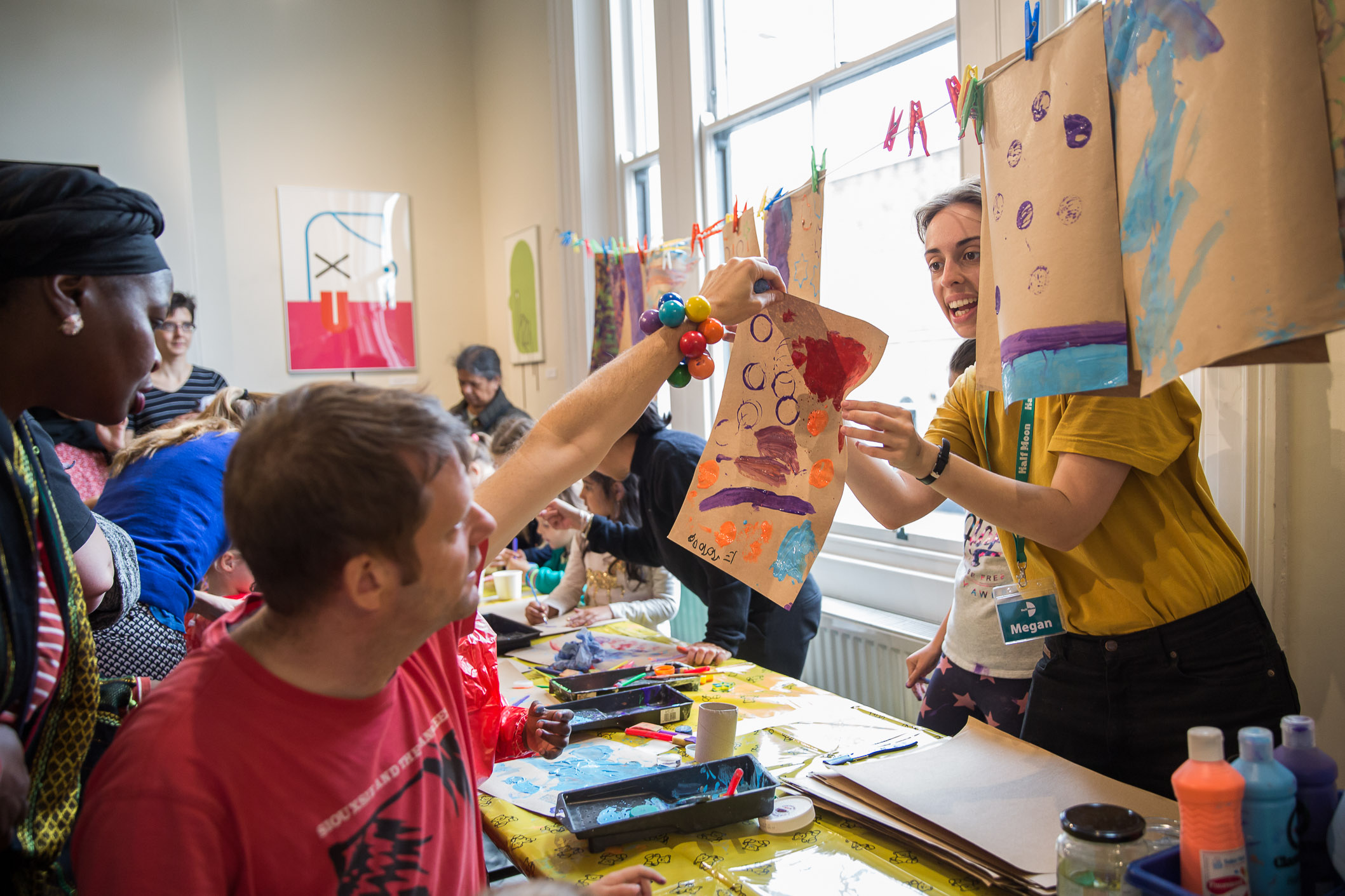
That is why the Fun Palaces weekend matters. For one weekend each October, hundreds of people across the UK create their own Fun Palaces: free events where communities share their skills, interests and knowledge with one another. Whether it is a craft table, a local walk, a soup-making session, a repair café, a poetry reading, a science experiment or simply a conversation in a pub, these things might seem modest on their own. But when hundreds of them happen across the country at the same time, something remarkable begins to emerge.
It becomes a collective shout: Culture is already happening here.
One of the inspirations behind Fun Palaces was Joan Littlewood. Joan recognised something radical: people do not need to be given culture, or taught how to be creative, because they already have it.
Along with architect Cedric Price, she imagined the Fun Palace in the 1960s as a “laboratory of fun” and a “university of the streets”. It was never built, but the idea behind it remains surprisingly relevant. Joan believed that creativity did not belong to experts or institutions alone. People were not simply waiting for culture to be delivered to them; they were already creating traditions, sharing knowledge and finding ways to connect with one another. What was often missing was the space and recognition to share what was already there.
Fun Palaces are not about rejecting theatres, museums, libraries or professional expertise. Joan herself spent her life making extraordinary theatre. What she objected to was the assumption that culture flowed in only one direction, from experts to audiences.
We often imagine ourselves connected through shared national events and ceremonies, with everyone singing the same song or gathering around the same symbols. But Fun Palaces offers a different kind of connection.
Each Fun Palace grows from a place, shaped by the interests, stories, skills and traditions of the people who create it. A repair café in one town, a poetry reading in another, a science experiment somewhere else, a walk, a choir or simply a conversation in a pub: each one reflects the distinct character of its community.
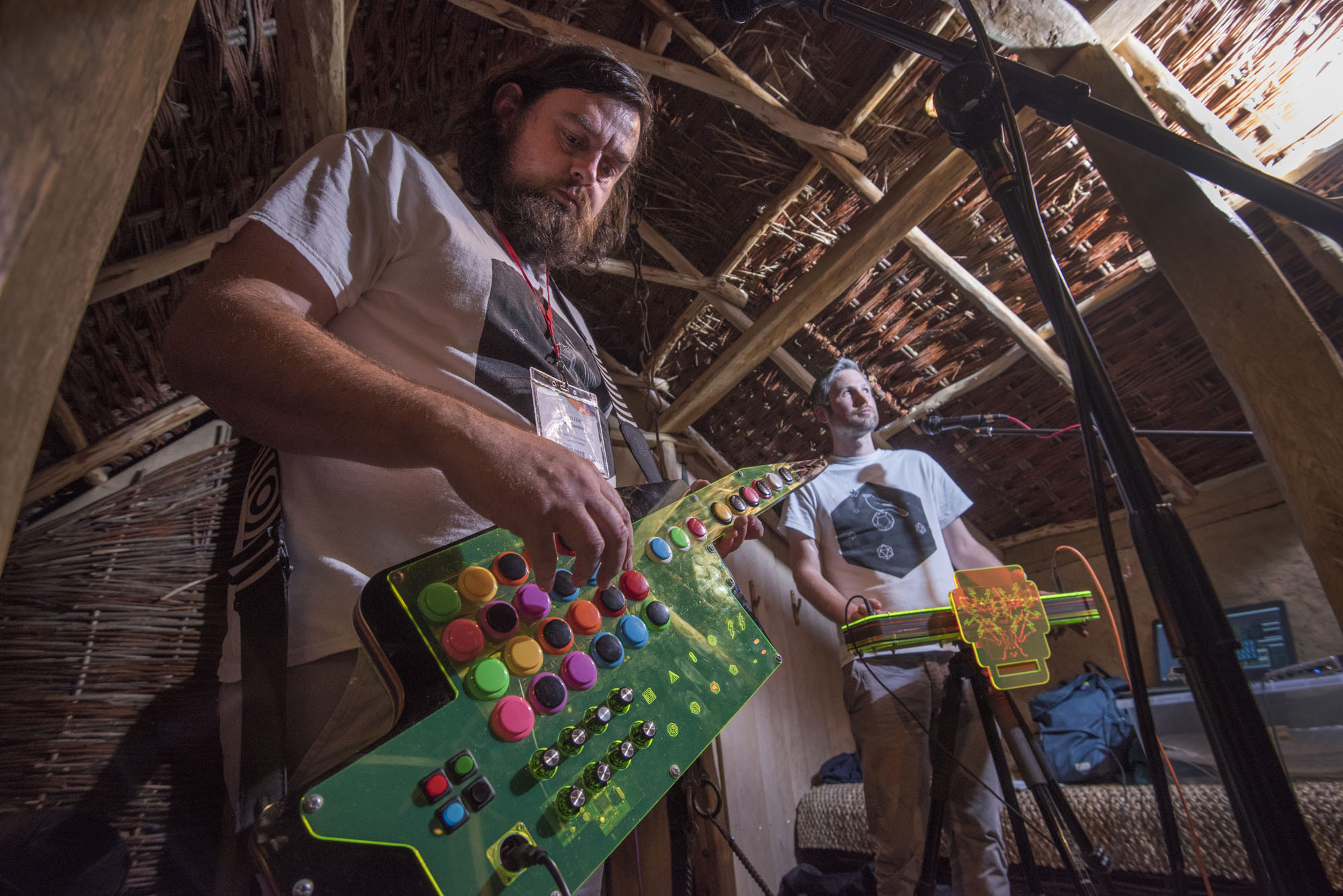
What connects them is not sameness, but the knowledge that, over one weekend, hundreds of other people in other places are also opening doors, sharing what they know and celebrating the culture already present around them. Participating in something shared creates its own kind of imagined community, where diverse local cultures can recognise themselves as part of something bigger.
One small activity can bring people together locally. Hundreds of activities happening at the same time tell a much larger story. Together they become a collective declaration that culture is not something that belongs only in particular buildings or to particular professions. It is already alive in homes, streets, villages, towns and cities across the country.
A Fun Palace does not ask people to become something else. It recognises what is already here and creates a space for people to share it.
So, if we are already creative, sharing skills and doing things together, why make a Fun Palace?
Because for one weekend, we can open the doors, make it visible, celebrate it together and shout: culture is already happening here – and everywhere.
If you’d like to make a Fun Palace this year, have a browse through the Makers Toolkit – full of free downloads, resources and inspiration you can use for your event