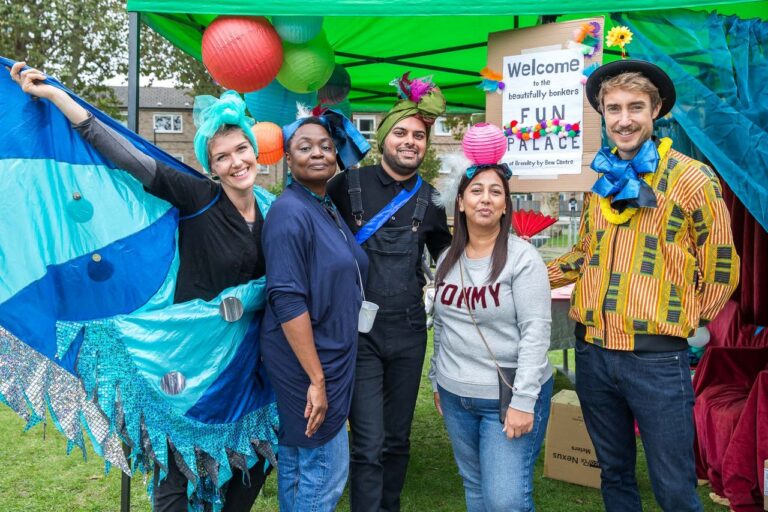

Nia is a freelance facilitator and volunteer coordinator at the Bureau Centre for the Arts in Blackburn, and part of the Fun Palaces Makers Network. Here she shares how to find your place when you are not a leader, and how a ball of string helped grow a brand new Fun Palace.
We hear a lot about the amazing work done by leaders and changemakers, but how do those of us with different skills fit in at Fun Palaces?
My name is Nia. I first came to Fun Palaces as someone who wanted to get involved but didn’t know how. I didn’t identify as a leader, I wasn’t an ideas person, but I wanted to be part of the celebration. The more I learned about the history of Fun Palaces, the values of creativity and community, the more sure I became that this was my place.
From visitor to connector
Transitioning from being a visitor to being an active part of my local community art scene was a matter of conversation and invitation… And nerves: I wasn’t sure what I could bring to the table, other than general enthusiasm!
I’ve learned that it’s much easier to see our challenges than our strengths, and that this is something that we can use to help shift our perspectives. For example, while public speaking feels uncomfortable to me, speaking to people one on one or in small groups is much more natural; that means that I can get the best out of myself and the people around me when I work in this way.
I might not bring my own ideas, but I can still make things happen; I champion other people’s goals and translate them into manageable steps that help us move them forward. I’ve learned that I am a connector, I love to find those little sparks in people and figure out how we can fan those flames together.
How about you? When you look at your challenges and strengths, what are the things that make you feel most alive?
A team of many voices
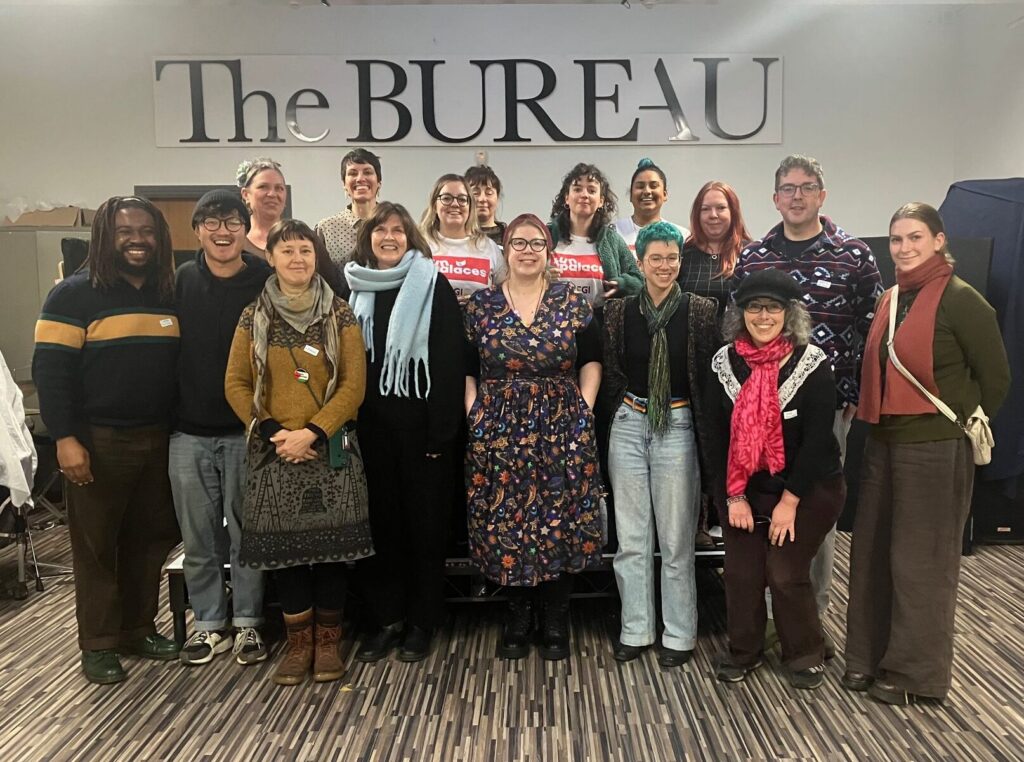
I feel very lucky to bring this aliveness to my work; I am currently a freelance facilitator and volunteer coordinator with the Bureau Centre for the Arts, a community arts centre in Blackburn, and I am part of the Fun Palaces Makers Network. On the way, I have met many other people like me who aren’t sure how they could fit in; these meetings are always an opportunity. A team is made up of so many different voices; while the leader might be the first person we see in the room, they are only one part of a network full of individuals, each with their own unique strengths and insights.
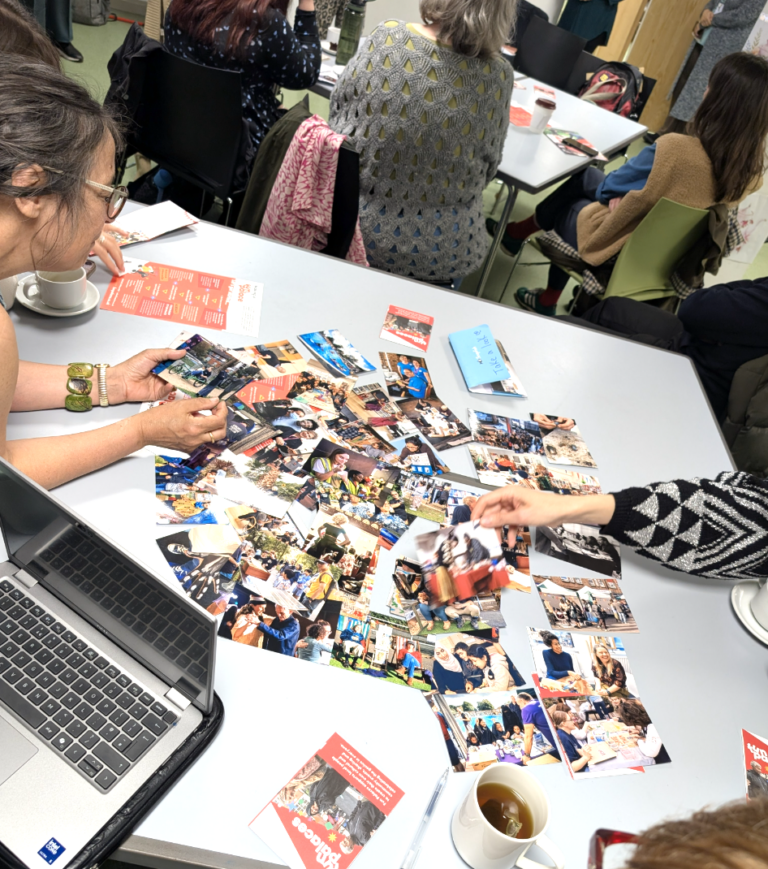
As part of the Makers Network, we have been delivering Makers workshops in our local community, spreading the idea of Fun Palaces and sharing ways for people to get involved. At these workshops people bring lots of ideas and lots of questions, from the obligatory “what actually is a Fun Palace?” to practicalities around setting up their own sessions.
There is a lot of energy in these workshops, but we’ve found that the ideas are more likely to become reality when people work together, so our final workshop of the season invited people to be part of building the 2026 Bureau Fun Palace. This makes the leap a little easier: people can plan their own activities, while supported by people they know, in a space where they already feel comfortable. Our aim is to really open the doors to anything: if the idea is there, we’ll make it happen.
The ball of string
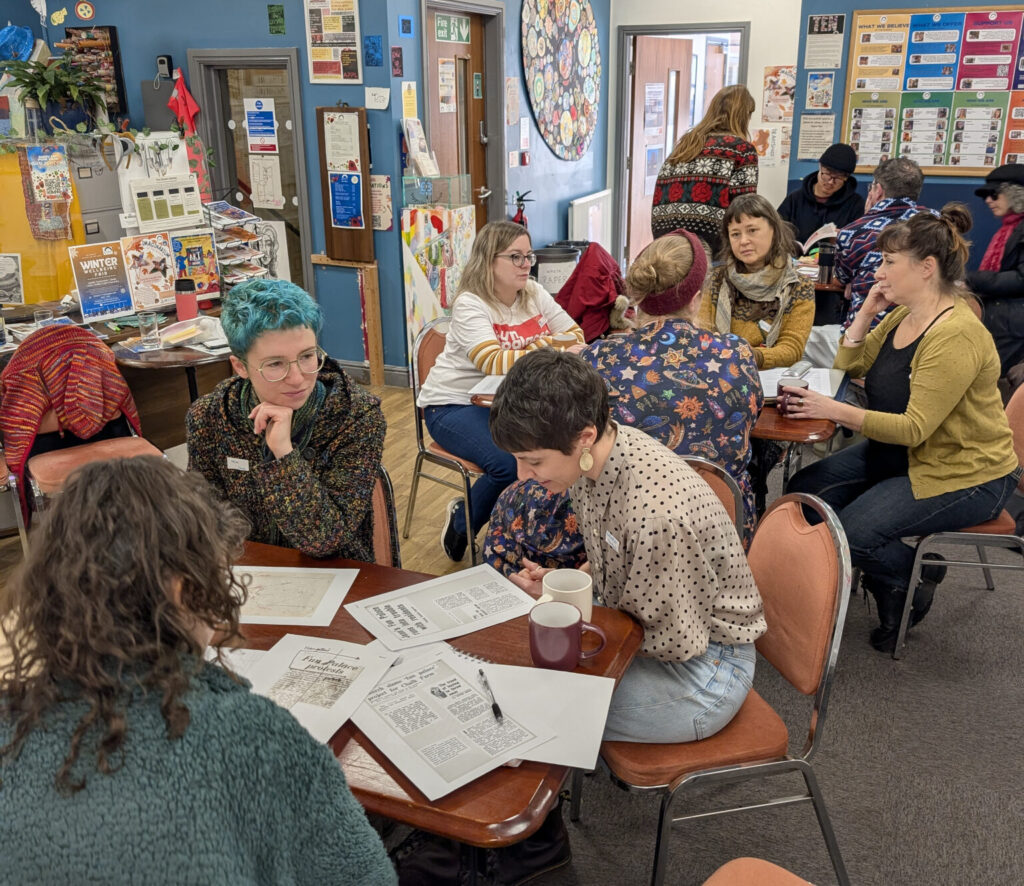
The magic of Fun Palaces happens in the connections. Our final workshop opened with a game: someone suggests a skill they would like to learn (whistling, plastering, relaxing, etc) and, using a ball of string, they connect to someone who could share that skill – or knows someone who could teach them, there were no goldsmiths in our group that day! The string passed back and forth as we learned the hidden genius of the people around us, the game ending when everyone was part of the network.
With this new understanding, the ideas began to flow. We tried, and failed, to teach the non-whistler to whistle, and along the way we learned who could make the best clip-clopping sounds, or pops, or car engine roars; and so, a silly noise choir was born. The whistler and singer and musician teamed up to build a session together during the Fun Palace, sharing their skills and inviting people to play with making sounds from the things around them.
Not a leader? There’s a role for everyone
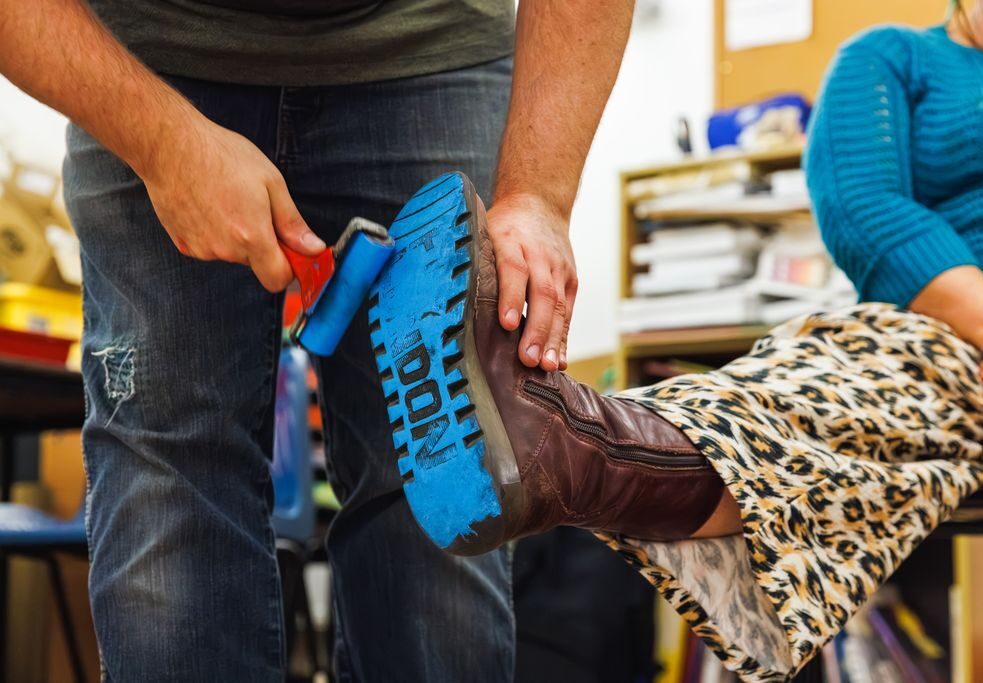
From the request for relaxation came the idea of imperfect journaling: using accessible art supplies to play with colour and texture, aiming for calm rather than perfection. We also had introductory gardening, sewing buttons and hems, analogue image enlarging, game design, and all-ages face painting.
Teams were created organically: someone with an idea to share, someone who wanted to help bring it to life. People who preferred to see the big picture became event stewards, directing people to different activities. Those who preferred to be away from the action took flyers around the local area, helping to bring more visitors through the doors. Collaboration in action, with everyone filling a role that fitted their needs and expertise.
That’s what teams are for
The connections that began during a simple string game blossomed into a shiny new Fun Palace. The game is more than an icebreaker: as we get to know the people around us through their secret skills, we also learn that we can ask for help. We don’t expect ourselves to all be ice skaters, so why should we all be organisers, speakers, or timekeepers? That’s what teams are for.
Finding the people that complement your skills is a great way to build a strong network. This can start small; think back to the challenges we identified at the start – which of your friends, family, neighbours, or colleagues could you delegate one of these to? What challenges do people bring to you to solve?
It truly is a community effort
As we learned in the last newsletter, the quarterly Makers Network meetings are open to everyone involved in making a Fun Palace. These are a great way to learn more about the wider project and get ideas for hosting something in your local area. There are also lots of toolkits on the website, covering everything from risk assessments, contacting venues, accessibility, and more. If you have specific questions, you can even contact the team via the website or office phone to arrange a chat, it truly is a community effort!
Whether you are an organiser, a supporter, a leader, a connector, a welcomer, a key-holder, a table-mover, or a great tea maker, there is a place for you in the Fun Palaces community.
You, and your secret skills, are important.
Got a secret skill to share? You don’t need to be a leader to make a Fun Palace – just a date, a place, and people to make it with.